Tromso northern lights photography spots
Capture the aurora in Norway with our top Tromso northern lights photography techniques, gear tips, and scenic fjord locations.
Tromso northern lights photography: The Ultimate Spot Guide
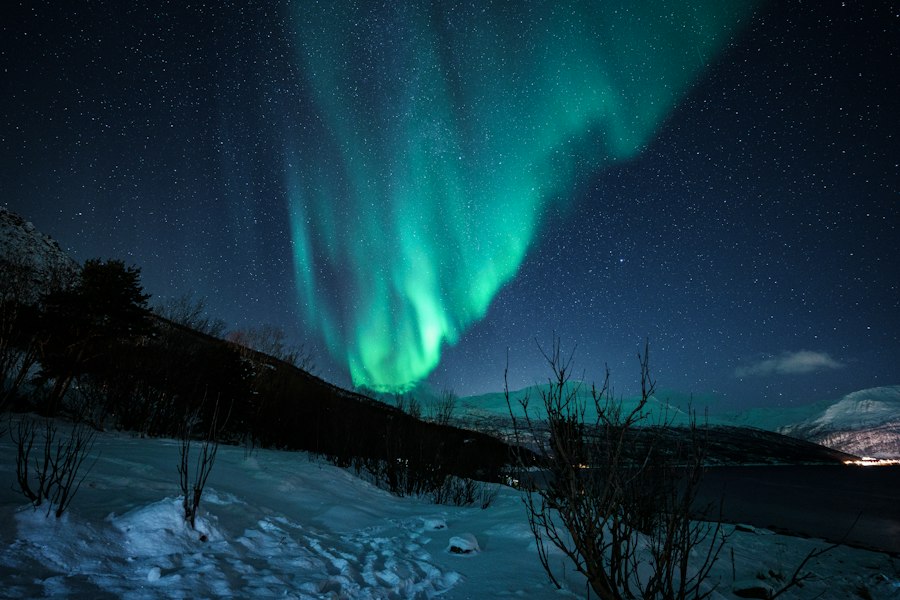
If you are dreaming of capturing the magic of the Aurora Borealis, mastering Tromso northern lights photography is the absolute peak of any arctic photo expedition. Situated right in the middle of the auroral oval in Northern Norway, this vibrant city offers an incredible mix of rugged fjords, icy beaches, towering mountains, and charming wooden architecture. Taking pictures of the swirling green dance across the Arctic night sky requires great technique, patience, and most importantly, knowing exactly where to set up your tripod. In this detailed guide, we are exploring the most scenic locations around the island and surrounding valleys to help you capture portfolio-worthy shots of a lifetime.
Why Tromso is the Capital of Aurora Photography
Located at 69 degrees north, this region experiences extreme polar nights, giving photographers hours of absolute darkness from November through July. The surrounding landscape provides dynamic foreground elements that elevate simple sky shots into breathtaking visual art. Combining sharp alpine peaks, reflecting waters, and dramatic coastal tides creates endless creative possibilities for your lens.
Essential Camera Gear and Settings for Arctic Nights
Before hiking into the freezing darkness, you need to prepare your camera bag carefully. Polar conditions can drain batteries in minutes and fog up your front lens element if you do not handle your gear properly.
Recommended Camera Setup
- Full-Frame Camera Body: Outstanding high-ISO performance is crucial for clean dark exposures.
- Ultra-Wide Angle Lens: A focal length between 14mm and 24mm with a fast maximum aperture of f/1.4 to f/2.8.
- Sturdy Aluminum or Carbon Tripod: Arctic winds along the coast can easily shake light gear during long exposures.
- Manual Focus Lock: Set your lens to manual focus and lock it right at infinity using focus peaking or live view preview on a bright star.
Base Shooting Exposure Settings
Set your camera to full Manual mode. Open your aperture to its widest value, such as f/2.8 or f/1.4, to gather maximum light. Adjust your ISO between 1600 and 3200 depending on moonlight conditions. Keep your shutter speed dynamic: if the green waves are moving slowly, an exposure of 4 to 8 seconds works best. If the aurora is dancing rapidly, speed up your shutter to 1 to 3 seconds to keep sharp structure in the auroral curtains.
Pro Photography Tip: Bring multiple spare batteries and keep them inside your inner coat pocket near your body heat. Cold arctic temperatures drastically reduce battery life, and swapping warm batteries in will keep your camera running all night.
Top Locations for Tromso Northern Lights Photography
Planning your routes in advance is essential for successful night shooting. Here are the premier vantage points offering stunning foregrounds, great light conditions, and incredible atmospheric vibes.
Ersfjordbotn: The Classic Fjord Framing
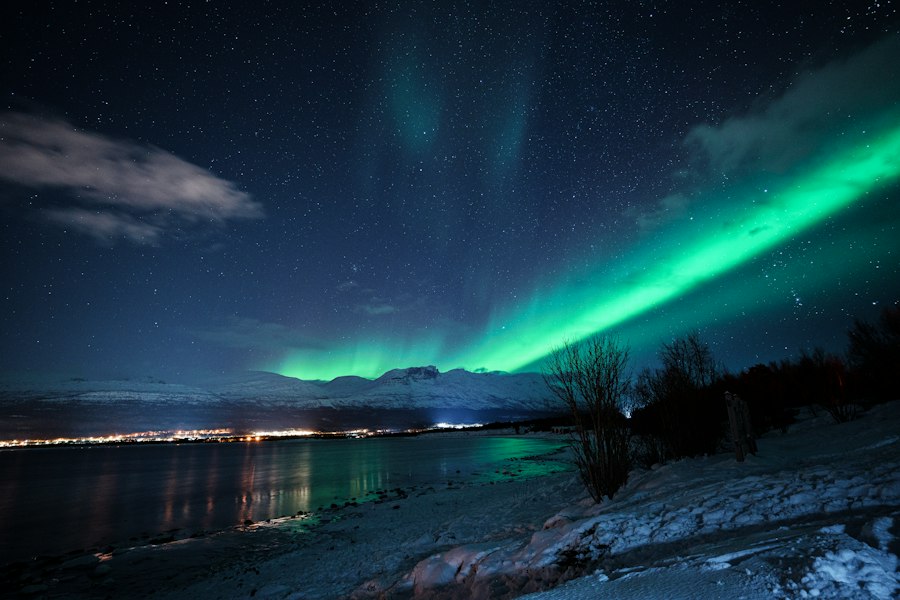
Located just a short twenty-minute drive west of the city center, Ersfjordbotn is iconic for a reason. This deep fjord is walled in by massive, jagged mountain peaks that funnel the eye right down the water channel toward the open sea. It delivers a classic Norwegian vibe that photographers around the world travel to capture.
Compositional Strategy at Ersfjordbotn
Position your camera near the wooden dock at the edge of the water. Look for low angles that capture reflections of the green ribbon across the quiet surface of the fjord. The towering razor-sharp peaks create dramatic lead-in lines that frame the sky beautifully. Make sure to watch out for local street lights near the village; positioning yourself right down by the shore hides artificial lighting and highlights natural contrast.
Telegrafbukta: Beach Views Close to the City
If you prefer not to drive far into the wilderness, Telegrafbukta offers an easy solution. Located on the southern tip of the main island, this public park and beach area provides expansive views looking south and west across the open sea toward the mountains of Kvaloya.
Framing and Lighting Highlights
Walk along the snowy coastline until you locate weathered granite boulders scattered near the water line. These icy rocks make magnificent foreground anchor points. Use a wide angle to shoot low over the tide pools, letting the faint glow of the city behind you gently illuminate the snowy shore while the northern lights stretch overhead across the open fjord water.
Grotfjord: Dramatic Arctic Coastline
For those willing to venture further onto the island of Kvaloya, Grotfjord offers raw coastal beauty. The drive over the mountain pass leads down to a wide, sandy cove flanked by steep rock cliffs. The waves crashing onto the snow-covered sand create a wild atmosphere for arctic landscape photography.
Mastering the Angles at Grotfjord
Set up your tripod along the high tide line where wet sand creates a smooth mirror surface. As waves retreat, capture the fast reflections of glowing ribbons of light. Keep an eye on your shutter speed here; keeping it around 2 to 4 seconds allows you to smooth out sea foam while keeping sharp texture in the glowing night sky overhead.
Pro Photography Tip: Always use a headlamp with a red-light feature while setting up your composition on icy beaches. Red light preserves your night vision and prevents accidental light pollution from ruining photos taken by nearby photographers.
Fjellheisen Cable Car: The High-Altitude Cityscape
For an elevated perspective, take the Fjellheisen cable car up to the ledge of Mount Storsteinen. Rising 421 meters above sea level, this observation platform gives you a panoramic bird-eye viewpoint over the entire island, illuminated bridges, and surrounding fjord networks.
Balancing City Glow and Aurora Lights
Shooting from the top requires balancing bright city ambient lighting with the delicate glow of the skies. Point your camera northwest to frame the curved Tromso Bridge and Arctic Cathedral in the lower foreground while the green ribbons arc over the mountain peaks in the distance. Use a tighter aperture like f/4 and a lower ISO around 800 to keep city light highlights from blowing out while maintaining details across the urban scene.
Kattfjordeidet: Snowy Valleys and Silent Peaks
If you prefer deep snowscapes away from coastal waters, the interior mountain valley of Kattfjordeidet is an incredible spot. Surrounded by steep mountain walls, this pass offers deep snowdrifts, frozen rivers, and winding roads that lead the eye through the frame.
Finding Creative Elements in the Valley
Look for small, snow-laden birch trees or pristine snow ridges to use as lead-in lines toward the glowing sky. The stillness in this valley makes it an exceptional place for clean, minimalist winter compositions where crisp white snow contrasts against vibrant emerald lights above.
Essential Safety Rules for Night Shooting in the Arctic
Chasing photos in sub-zero environments requires constant attention to personal safety and equipment protection. Always check road condition reports before driving over mountain passes like Kattfjordeidet or out to remote coastal villages.
- Dress in Smart Layers: Wear thermal wool base layers, thick mid-layers, and a windproof, waterproof outer shell.
- Spikes and Cleats: Attach ice cleats to your boots; coastal rocks and scenic viewpoints are covered in hidden black ice.
- Vehicle Preparedness: Keep extra blankets, a thermal flask with hot tea, and a snow shovel in your rental car trunk at all times.
Planning Your Ultimate Photographic Expedition
Executing successful trips requires studying weather forecasts, solar wind data, and local cloud cover maps. Checking resources on travel portals like Lonely Planet helps you discover extra daylight activities between night shoots. Additionally, reviewing real-time reviews on TripAdvisor ensures you select trusted local guides who know how to navigate changing weather to find clear skies.
With careful planning, the right technical setup, and patience, your trip will yield breathtaking visual art. Pack your gear, head into the crisp arctic air, and enjoy every single moment of your search for spectacular skies.
Oliver Janssen scouts the best photography spots in every destination, from sunrise viewpoints to overlooked angles on famous landmarks. He shares exactly where to stand and when to be there for the shot.
💬 Comments (0)
No comments yet. Be the first!