Galicia road trip 2026: 5-Day Coastal Guide
Embark on the ultimate Galicia road trip 2026. Explore wild Atlantic coastlines, dramatic cliffs, and hidden fishing villages.
If you are planning the ultimate European adventure, a Galicia road trip 2026 is the perfect way to experience Spain's wild, green, and ocean-carved northwest corner. Unlike the sun-baked plains of the south, this region offers dramatic cliffs, historic lighthouses, and some of the best seafood in the entire world. In 2026, the local tourism scene is focusing heavily on slow travel and sustainable exploration, making a self-drive holiday the absolute best way to see the sights at your own pace. Grab your keys, pack a light rain jacket, and let us hit the open road.
Quick Summary of the Route
- Day 1: Arrival in Santiago de Compostela and drive to Noia
- Day 2: The dramatic cliffs of Muros and Finisterre
- Day 3: Driving the rugged Costa da Morte to Laxe
- Day 4: A Coruna city exploration and coastal glass balconies
- Day 5: Cathedral Beach and departure from Ribadeo
Day 1: Santiago de Compostela to the Muros Estuary
You will start your day in the magnificent city of Santiago de Compostela, the historic destination for millions of pilgrims. Before picking up your rental car, take some time to wander through the stone-paved old town. After breakfast, head over to the main cathedral square, Praza do Obradoiro, to witness the emotional arrivals of the hikers completing their journeys. It is an inspiring way to kick off your own Galicia road trip 2026.
Exploring the Historic Old Town
Walk through the narrow medieval alleys and admire the rain-slicked granite buildings. For lunch you should try some traditional octopus, known locally as Pulpo a Feira, at one of the bustling taverns near Rua do Franco. Once you have filled up on local delicacies, it is time to collect your vehicle. I highly recommend booking your car rental in advance through reputable European networks to secure the best rates for your Galicia road trip 2026.
Sunset at Castro de Barona
Drive west toward the coast. Your destination is the ancient Celtic hill fort of Castro de Barona, perched dramatically on a rocky peninsula. This is where I made a classic navigator error. I took a wrong turn down a narrow dirt track, thinking it was the main parking entrance. Instead of a dead end, the road opened up to a tiny, hidden cove called Playa de Area Longa, where local surfers were catching massive Atlantic waves against a backdrop of pine trees. It was the most beautiful, quiet spot of the entire trip, and we had it completely to ourselves. Finish your day at a cozy guesthouse in the historic port town of Noia.
Day 2: The Edge of the Known World
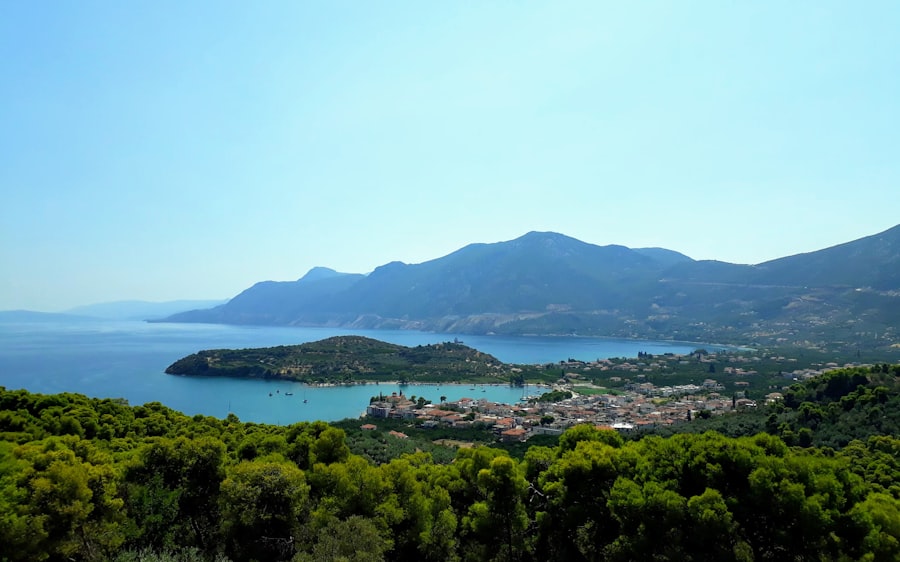
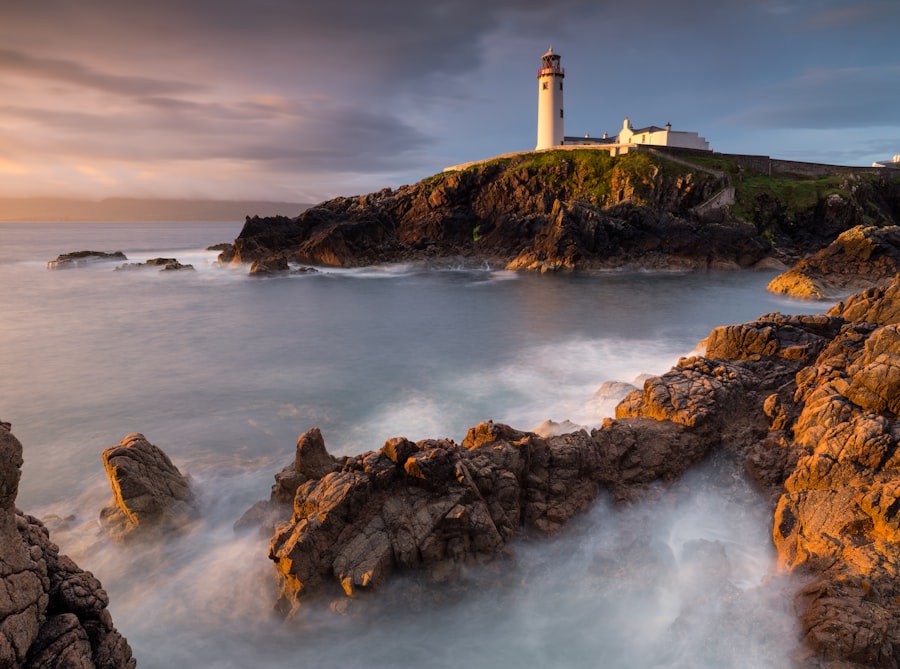
Wake up early and breathe in the salty estuary air. Today you will trace the coast northward toward Cape Finisterre, which the Romans believed was the literal end of the flat earth. The drive is spectacular, with winding roads that offer sweeping views of the Atlantic Ocean on your left and lush eucalyptus forests on your right.
The Historic Streets of Muros
Your first stop of the morning is the perfectly preserved fishing village of Muros. Walk along the harbor and admire the traditional stone houses with their ground-floor archways, which fishermen historically used to mend their nets. After a quick espresso, continue driving north along the coast road.
Avoiding the Crowds Tip: When visiting the famous Cape Finisterre lighthouse, park your car about one kilometer down the road and hike the rest of the way up. You will avoid the chaotic tour bus traffic and enjoy stunning, uninterrupted views of the sheer cliffs.
For lunch you should try a steaming bowl of Caldeirada de Peixe, a traditional Galician fish stew, in the harbor of Finisterre. Finish your day at the Cape Finisterre lighthouse just as the sun begins to drop below the horizon. Watching the sunset here, at the western edge of Europe, is an unforgettable highlight of any Galicia road trip 2026 adventure.
Day 3: The Wild Costa da Morte
On day three of your Galicia road trip 2026, you will navigate the rugged and legendary Costa da Morte, or Coast of Death. This stretch of coastline gets its dramatic name from the hundreds of shipwrecks that have occurred along its treacherous rocks over the centuries. It is wild, windy, and incredibly beautiful.
The English Cemetery and Camarinas
Head over to the English Cemetery, a remote and haunting memorial to the sailors who lost their lives shipwrecked off this coast in the late nineteenth century. The drive out here feels like traveling to the edge of the earth. Next, visit the nearby town of Camarinas, famous for its intricate, handmade bobbin lace. You can still hear the rhythmic clicking of the wooden bobbins as local women craft these delicate textiles in shops along the harbor.
The Sandy Bay of Laxe
For dinner, make your way to the peaceful beach town of Laxe. Unlike the wild waves of the open ocean, the beach here is sheltered, offering calm, turquoise waters and a sweeping crescent of white sand. Enjoy a plate of fresh local barnacles, known as percebes, at a seaside tavern before turning in for the night.
Day 4: City Lights and Glass Balconies in A Coruna
After breakfast, leave the wild coast behind for a day and drive northeast to A Coruna, one of Galicia's most vibrant coastal cities. This city perfectly blends historic maritime charm with a bustling modern cultural scene, making it a key urban stop on your Galicia road trip 2026.
The Tower of Hercules
Your first stop must be the Tower of Hercules, the oldest functioning Roman lighthouse in the world. Climb the internal stone steps for a panoramic view of the city and the crashing ocean below. Afterward, stroll along the Paseo Maritimo, one of the longest seaside promenades in Europe.
The Glass City Waterfront
Head over to the harbor area to see why A Coruna is nicknamed the Glass City. The buildings facing the port feature stunning, multi-story glass enclosed balconies, designed to let in light while keeping out the chilly Atlantic winds. For dinner, explore the lively tapas bars along Calle Galera and sample some local Tetilla cheese paired with a glass of crisp Albarino white wine.
Day 5: The Cathedral of the Sea and Ribadeo
On your final day, you will head to the northern coast of Galicia to witness one of the most famous natural wonders in Spain: As Catedrais Beach, or Cathedral Beach. The wind and waves have carved the dark slate cliffs into massive arches and caves that resemble the architecture of a gothic cathedral.
Exploring Cathedral Beach
You can only walk on the sandy floor of this beach during low tide, so you must plan your visit carefully. Be sure to check the local tide tables and secure your free entry reservation beforehand, as access is restricted to protect the delicate environment.
The Historic Port of Ribadeo
Finish your day at the charming border town of Ribadeo, located on the estuary dividing Galicia from neighboring Asturias. Walk through the San Roque neighborhood to admire the colorful, grand villas built by wealthy returning emigrants in the nineteenth century. It is the perfect, picturesque spot to toast the end of your incredible journey.
Logistics & Transport
- Car Rental: Pick up your car at Santiago de Compostela Airport and arrange for a one-way drop-off in Ribadeo or return to Santiago.
- Public Transport Alternatives: If you prefer not to drive, you can plan train connections between major hubs like Santiago and A Coruna using the official Renfe Spanish Railways website.
- International Connections: If you are flying in from the UK or Ireland, check flight and ferry connections via the Irish Rail website for regional transport links to major ferry ports.
- Road Conditions: Galician highways are generally excellent and free of tolls, but coastal secondary roads can be narrow, winding, and prone to morning fog.
Final Tips for Your Galicia Road Trip 2026
As you plan your Galicia road trip 2026, keep in mind that flexibility is your best friend. The weather in northwest Spain is notoriously unpredictable, often shifting from bright sunshine to heavy mist in a matter of minutes. Embrace the coastal drizzle, pack layers, and do not be afraid to follow an unmarked road. You might just find your own secret beach or a cozy village tavern that makes your journey truly unforgettable.
Frequently Asked Questions
What is the best time for a Galicia road trip in 2026?
The best time is late spring (May-June) or early fall (September-October) for mild weather and fewer crowds. Avoid the busy August peak if you prefer a quieter experience.
How many days are recommended for the 2026 coastal guide?
The 5-Day Coastal Guide is perfectly paced for exploring highlights like A Coruña, Santiago, Rías Baixas, and the Costa da Morte. One day is allocated for each key region.
What are the must-see stops along the route?
Must-sees include the Tower of Hercules in A Coruña, the cathedral in Santiago de Compostela, the Cíes Islands, and scenic lighthouses in Costa da Morte.
Is renting a car necessary for this road trip?
Yes, a car is essential for flexibility, especially to reach coastal viewpoints and smaller fishing villages. Consider a compact car for easier parking in historic centers.
Can I combine this trip with other regions?
Absolutely, you can extend north to the Basque Country or include Portugal's Porto, but this guide focuses purely on Galicia's coast for a manageable 5-day itinerary.

Lucas Fontaine maps out routes and itineraries for trips of every length, from a weekend escape to a month on the road. He enjoys the puzzle of stitching destinations together into a journey that flows.
💬 Comments (0)
No comments yet. Be the first!