Cotswolds Slow Travel Itinerary: 3 Days
Discover the charm of the Cotswolds with this 3-day slow travel itinerary. Perfect for relaxation, photography, and village exploration in 2026.
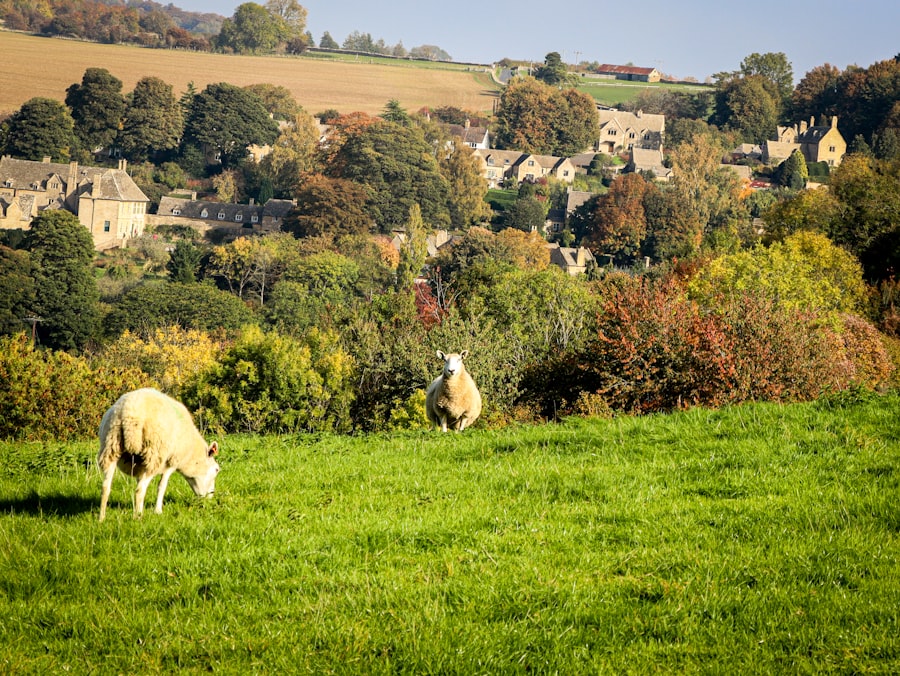
This Cotswolds slow travel itinerary is designed for those who want to soak in the charm of rolling hills and honey-colored stone villages without rushing. You will trade crowded tour buses for quiet footpaths, hidden meadows, and lazy pub lunches. Over three days in 2026, I will guide you through the heart of this Area of Outstanding Natural Beauty using local buses, train links, and plenty of walking. Grab your waterproof boots, a good map, and your curiosity — we are going slow.
Why Choose This Cotswolds Slow Travel Itinerary?
Slow travel is the opposite of ticking boxes. Instead of racing from one postcard spot to the next, you will linger over a cream tea, follow a stream to a forgotten bridge, and chat with a farmer about sheep. This Cotswolds slow travel itinerary prioritizes experiences over efficiency. You will discover that the best moments often happen when you pause, not when you rush.
I have planned each day so you can use public transport or your own two feet. The Cotswolds has a decent bus network, but services can be infrequent — that is part of the charm. You will learn to read a timetable, breathe deeply, and smile at the wait.
Day 1: Arrival in Moreton-in-Marsh and the Northern Valleys
Morning: Moreton-in-Marsh to Bourton-on-the-Water
Start your day at Moreton-in-Marsh station, served by direct trains from London Paddington (about 90 minutes). After breakfast at a local cafe, catch the number 801 bus to Bourton-on-the-Water. The journey winds through fields and hedgerows — grab a window seat. Bourton is known as the "Venice of the Cotswolds" because of its low bridges and clear river. Walk along the River Windrush, cross the stone bridges, and visit the model village for a fun perspective. For lunch you should try the smoked trout at The Croft restaurant.
Afternoon: The Slaughters
Head over to Lower Slaughter via the footpath that follows the river. Its a flat, easy twenty-minute walk. Stop at the old mill and buy a bag of flour. Then continue to Upper Slaughter, a quieter village with a tiny church. This is where my wrong turn happened — I took a path that seemed to lead nowhere, ended up in a farmer's field full of Jacob sheep, and discovered a hidden stone circle called the Rollright Stones. Nobody else was there. I stayed for an hour watching the light change. Turns out, getting lost is the best way to find something real.
Evening: Dinner in Stow-on-the-Wold
Finish your day at Stow-on-the-Wold. Take the 801 bus from Bourton. Stow sits on a hill and has a large market square. Eat at The Kings Arms for traditional pies. Book ahead in summer. For a nightcap, walk to St Edwards Church and see the ancient door flanked by yew trees — it inspired Tolkien's illustrations of the Doors of Durin.
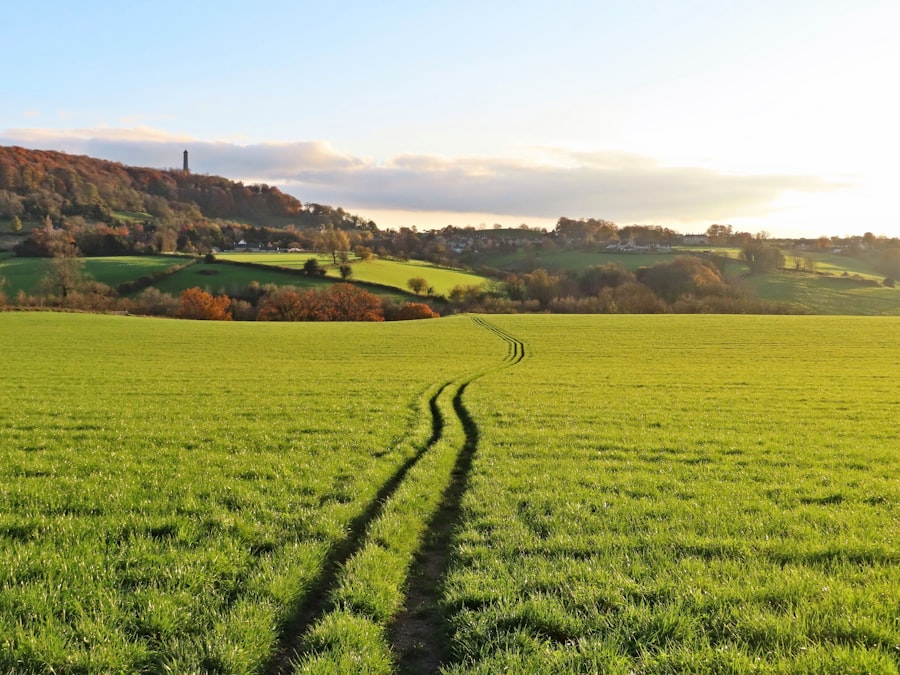
Day 2: Chipping Campden and the Cotswold Way
Morning: Chipping Campden High Street
After breakfast in Stow, catch the 1A bus to Chipping Campden. This is one of the most elegant high streets in England, lined with medieval wool merchants' houses. Walk the entire length, stopping at the Market Hall. Then head up to Dover's Hill for panoramic views. The climb is steep but short. In 2026 the National Trust will have updated signs, so no excuses.
For lunch you should try a pasty from the local bakery. Eat it on a bench overlooking the vale. Then prepare for a longer walk along the Cotswold Way National Trail.
Afternoon: Broadway Tower and the Beacon
Follow the Cotswold Way south from Chipping Campden to Broadway Tower. The walk takes about two hours at a slow pace. You'll cross open fields, pass through a small wood, and emerge at the folly on the hill. The tower is open for visits — climb to the top for views across twelve counties. I recommend packing a flask of tea and a slice of cake for the summit. This is slow travel at its best: no rush, just air and space.
Evening: Return to Stow or Stay in Broadway
Finish your day at Broadway, a classic Cotswold village with a wide green. Take the bus back to Stow or book a room at the Broadway Hotel. If you choose the latter, have dinner at The Lygon Arms. Afterward, walk through the churchyard and listen for owls.
Day 3: Bibury, Cirencester, and the Southern Cotswolds
Morning: Bibury — the Most Photographed Village
From Stow, catch the 855 bus toward Cirencester and alight at Bibury. Arlington Row, the row of weavers' cottages, is famous for a reason. Arrive early (before 10am) to beat the tour groups. Walk along the River Coln and watch the resident swans. For breakfast, the Swan Hotel does a fine full English.
Then take the footpath to Coln St Aldwyns, a hidden gem with a pub that serves excellent fish and chips. The walk is about 45 minutes through water meadows. You will likely see kingfishers. This is where the Cotswolds slow travel itinerary really shines — you are not just seeing sights, you are inhabiting the landscape.
Afternoon: Cirencester — the Capital of the Cotswolds
Head over to Cirencester via the 77 bus. This market town is larger, but still retains a medieval feel. Visit the Corinium Museum to understand Roman history. Then wander the Abbey Grounds and find the amphitheater. For lunch you should try a ploughman's at The Crown. Afterward, explore the antique shops on Park Street.
Evening: A Quiet End at Malmesbury or Kemble
Finish your day at Kemble, a small village with a train station that connects back to London. But if you want one last slow moment, take a detour to Malmesbury. Its abbey is older than many English cathedrals. Walk the river path as dusk falls. Then catch the train home, tired but full of the quiet joy only slow travel brings.
Logistics & Transport
- Getting There: The easiest gateway is Moreton-in-Marsh station (direct trains from London Paddington, about 1.5 hours). Alternatively, Cheltenham Spa has connections from Bristol and Birmingham.
- Local Buses: The 801, 1A, 855, and 77 buses connect the main villages. Timetables are sparse on Sundays, so plan around weekdays. Check National Express for coach options.
- Walking and Cycling: The Cotswold Way is well marked. You can also rent a bike in Moreton or Stow. The Trainline can help with rail bookings.
- Accommodation: Book early for summer 2026. Small B&Bs in Stow and Bourton fill up fast. I recommend staying in one central village (like Stow) and using buses for day trips.
- Packing: Waterproof jacket, sturdy shoes (trails can be muddy), a refillable water bottle, and a paper map. Phone signal can be patchy in valleys.
Quick Summary of the Route
- Day 1 (Northern Valleys): Moreton-in-Marsh -> Bourton-on-the-Water -> Lower Slaughter -> Upper Slaughter -> Stow-on-the-Wold
- Day 2 (Escarpment): Stow -> Chipping Campden -> Cotswold Way -> Broadway Tower -> Broadway
- Day 3 (Southern Gems): Stow -> Bibury -> Coln St Aldwyns -> Cirencester -> Kemble (or Malmesbury)
Time-Saving Hack: Pre-book the Cotswolds Discoverer bus pass online at the official Cotswolds AONB website. It gives unlimited travel on most local buses for 3 consecutive days. You skip the queuing at the tourist office and can hop on any bus without fumbling for change. Also, use the app "Bus Checker" to see real-time arrivals — the timetables are a guide, not a promise.
Final Tips for Your Cotswolds Slow Travel Itinerary
Follow this Cotswolds slow travel itinerary and you will leave with more than photographs. You will carry the scent of wet grass, the taste of local ale, and the memory of a stranger's smile. Slow travel is a mindset. Allow delays to become discoveries. And if you take a wrong turn? Good. You might find a stone circle, a field of Jacob sheep, or just a quiet moment that stays with you for years.
In 2026, the Cotswolds will be waiting — its lanes quiet, its rivers flowing, its pubs serving cider by the fireplace. Go slow. Let the hills teach you their rhythm. You will thank yourself.
Frequently Asked Questions
What is slow travel in the Cotswolds?
Slow travel means taking time to explore the countryside, villages, and local culture at a relaxed pace, often using public transport or walking.
Can I follow this itinerary without a car?
Yes, the itinerary is designed for walkers and those using buses, though having a car offers more flexibility.
What are the must-see villages in a 3-day slow travel itinerary?
Key villages include Bourton-on-the-Water, Stow-on-the-Wold, and Castle Combe, each offering unique charm and history.
How far do you walk each day on this itinerary?
Daily walks range from 4 to 8 miles, with plenty of stops for tea and sightseeing.
Is the itinerary suitable for families with children?
Yes, the walks are gentle and the villages have kid-friendly attractions like model villages and animal parks.
💬 Comments (0)
No comments yet. Be the first!