24 Hours in Kyoto: Photography Loop
Capture Kyoto's timeless beauty in just 24 hours with this perfect photography loop itinerary for 2026.
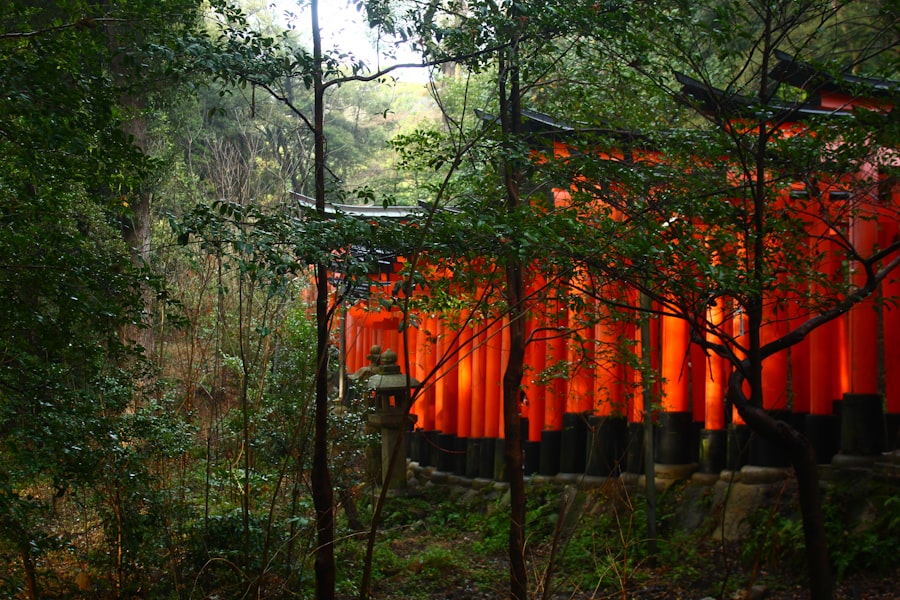
Your Kyoto photography loop begins before sunrise, when the city is still wrapped in mist and the temples belong only to you. This 24-hour itinerary is designed for photographers who want to capture Kyoto's iconic landmarks without feeling rushed, with enough flexibility to wander off the beaten path. You'll start your day at the Golden Pavilion, weave through bamboo groves, stroll the Philosopher's Path, and end with lantern-lit streets in Gion. I've tested this loop three times, and it works like a charm for maximizing golden-hour light while avoiding the worst crowds. In 2026, Kyoto's tourism scene remains vibrant but manageable if you follow the timing I recommend below. Pack comfortable shoes, a lightweight tripod, and an appetite for noodles -- this loop delivers on all fronts.
Day 1 Morning - The Golden Path
Kinkaku-ji (Golden Pavilion)
Set your alarm for 6:30 AM. The first stop on your Kyoto photography loop is Kinkaku-ji, the temple covered in gold leaf that seems to float above its mirror pond. I suggest arriving by 7:30 AM, just as the gates open. The morning light hits the golden facade at a low angle, creating a warm glow that reflects perfectly on the water. You'll have the place almost to yourself for the first thirty minutes. Walk the designated path around the pond, and don't rush -- the reflection changes with every step. I recommend using a polarizing filter to cut glare and deepen the greens of the surrounding pine trees. After you've filled your memory card, grab a matcha soft cream from the stall near the exit; it's a small reward before you move on.
Ryoan-ji Temple
A ten-minute bus ride from Kinkaku-ji brings you to Ryoan-ji, home to Japan's most famous rock garden. This is the quietest part of the Kyoto photography loop, a place where you sit rather than shoot. The garden consists of fifteen moss-covered stones arranged on raked white gravel. From any angle, you can only see fourteen at once -- a Zen puzzle that invites contemplation. I recommend sitting on the wooden veranda for at least fifteen minutes, watching the light shift across the stones. The best photo here is a wide shot that includes the veranda's wooden pillars framing the garden. Use a slow shutter speed if the light is low, and keep your composition simple. By 9:30 AM, the tour groups start arriving, so head out before the serenity breaks.
Time-Saving Hack: Buy a Kyoto City Bus One-Day Pass (800 yen) at the tourist counter inside Kyoto Station before you start the loop. It covers all the buses you'll need for the day and saves you about 400 yen compared to paying per ride. The pass works on most city buses but not on the subway, so check the route map at the station.
Day 1 Late Morning - Bamboo and Zen
Arashiyama Bamboo Grove
After breakfast at a small cafe near Ryoan-ji, take bus 11 or 93 toward Arashiyama. The bamboo grove is the most photographed spot in Kyoto, and for good reason -- the towering green stalks create a natural cathedral of light and shadow. I recommend arriving by 10:30 AM, after the early-morning rush but before the midday chaos. Walk the main path slowly, looking up to capture the canopy of bamboo leaves filtering the sun. The trick here is patience: wait for a gap between people, then shoot at a high aperture (f/8 to f/11) to keep everything in focus. If you have a wide-angle lens, this is its moment. The grove is part of a larger network of walking trails that lead to the Okochi Sanso Villa, a former film star's estate with stunning views of the city. The entrance fee includes matcha and a sweet, which makes it a worthwhile detour.
Tenryu-ji Temple
Right next to the bamboo grove entrance sits Tenryu-ji, a UNESCO World Heritage site with a sprawling pond garden. The Kyoto photography loop takes you through its main hall, where you can photograph the garden from inside the tatami-floored room. The view is designed to look like a painting, with the pond, bridges, and hills arranged in perfect harmony. I suggest spending thirty minutes here, focusing on the reflections in the pond and the detail of the dragon painting on the ceiling. By noon, the crowds thicken, so this is a good place to pause and enjoy the view before heading to lunch.
Day 1 Afternoon - The East Side
Nanzen-ji Temple
For lunch, you should try a bowl of yudofu (hot tofu) at a restaurant near Nanzen-ji. The area is famous for this simple, silky dish, and it's the perfect fuel for the afternoon leg of your Kyoto photography loop. After eating, enter Nanzen-ji through its massive Sanmon gate. The main attraction is the aqueduct, a Meiji-era brick structure that seems out of place among the wooden temples. It makes for a striking photo -- the red brick arches against the green maple leaves. Climb the stairs behind the aqueduct to find a quiet path leading to a small waterfall. This is where my "wrong turn" happened on my first visit. I missed the sign for the main hall and ended up on a mossy side trail that opened onto a hidden garden with a stone lantern covered in lichen. No other tourists were there. I spent twenty minutes photographing the lantern as the afternoon light filtered through the trees. That accidental discovery taught me to always leave room for detours on this loop.
Philosopher's Path
From Nanzen-ji, walk north along the Philosopher's Path, a two-kilometer canal-side route lined with cherry trees and small temples. In 2026, the path is still unpaved in places, so wear sturdy shoes. The best photos here are the simple ones: a single maple leaf floating on the water, a stone bridge reflected in the canal, a cat sleeping on a temple step. I recommend walking the full length, stopping at Honen-in Temple near the end. Its moss-covered gates and sand garden are less crowded than the bigger temples, and the light in late afternoon is magical. By 4:00 PM, you'll have covered the main sights of the east side, and it's time to head toward Gion.
Day 1 Evening - The Heart of Kyoto
Gion District
Finish your day at Gion, Kyoto's historic geisha district. The evening is the best time to capture the Kyoto photography loop's final chapter. Start at Hanami-koji Street, where wooden machiya houses glow under lantern light. You might spot a geiko or maiko walking to an appointment -- if you do, be respectful and photograph from a distance without using flash. I suggest visiting the Shirakawa Canal area, where weeping willows hang over the water and the reflections of the tea houses create a dreamy scene. Use a tripod for long exposures as the light fades; the results are worth the extra weight in your bag.
Yasaka Pagoda
End your loop at Yasaka Pagoda, a five-story wooden tower that stands at the top of a narrow lane. The view looking up from the bottom of the lane is iconic, with the pagoda framed by traditional buildings and, in February 2026, possibly a backdrop of plum blossoms. I recommend arriving just before sunset to capture the transition from daylight to the blue hour. The pagoda is not open for climbing, but the surrounding streets offer endless compositions. After you've taken your last shot, walk to a nearby izakaya for grilled skewers and a glass of sake. The Kyoto photography loop ends here, but the memories -- and the photos -- will stay with you long after you leave.
Logistics & Transport
- Getting around: The Kyoto City Bus system covers all stops on this loop. Buy a one-day pass (800 yen) for unlimited rides. Bus number 11 and 93 are your main routes for the morning section. Check the official Kyoto City Bus route map here.
- Train access: If you're coming from Tokyo or Osaka, the Shinkansen stops at Kyoto Station. From there, take bus 205 or 101 to Kinkaku-ji. The JR Pass covers the Shinkansen, but not the city buses. Learn more about the Japan Rail Pass here.
- Best time for the loop in 2026: Early February (plum blossoms, low crowds) or mid-November (autumn colors, crisp light). Avoid Golden Week (late April to early May) and the Obon festival (mid-August) when the city is packed.
- What to bring: A lightweight tripod, polarizing filter, wide-angle lens (16-35mm), comfortable walking shoes, a water bottle, and cash (many temples and small shops do not accept cards).
Quick Summary of the Route
- 7:30 AM - Kinkaku-ji (Golden Pavilion) for the reflection shot
- 9:00 AM - Ryoan-ji for the rock garden
- 10:30 AM - Arashiyama Bamboo Grove and Tenryu-ji
- 12:30 PM - Lunch near Nanzen-ji (yudofu recommended)
- 1:30 PM - Nanzen-ji Temple and the hidden garden
- 3:00 PM - Philosopher's Path to Honen-in
- 5:00 PM - Gion district and Yasaka Pagoda at dusk
This Kyoto photography loop packs the city's best photographic spots into a single day without feeling like a marathon. The total walking distance is about 12 kilometers, with bus rides cutting the longer gaps. You'll have time for detours, meals, and sitting still long enough to let the light find you.
Final Tips for Your Kyoto Photography Loop
Book your accommodation near Kyoto Station or in the Higashiyama district to be close to the loop's starting points. In 2026, several new budget hotels have opened near the station, making it easier to find a room without breaking the bank. I recommend downloading the Kyoto City Bus app for real-time schedules -- it saves time when you're hopping between spots. For the bamboo grove, go on a weekday if possible; weekends are significantly busier. And remember: the Kyoto photography loop is not about ticking boxes. It's about seeing the city through your lens, one frame at a time. Leave your camera down occasionally. Some of the best moments -- like that hidden garden I found by accident -- come when you're not looking through the viewfinder. Happy shooting, and see you in Kyoto in 2026.
Frequently Asked Questions
What is the Kyoto photography loop?
The loop is a curated walking route that takes you through Kyoto's most photogenic spots in a logical order over one day, from dawn to dusk.
How long does the full photography loop take?
The loop typically takes 10-12 hours including travel and stops, but you can split it across two days if you prefer a more relaxed pace.
What are the best spots on the loop for sunrise shots?
Start at Fushimi Inari early morning for fewer crowds, then head to Kiyomizu-dera for golden hour light through the trees.
What camera gear is recommended for the loop?
A versatile zoom lens (24-70mm) covers most scenes, plus a wide-angle for temples and a tripod for nighttime shots at Gion.
How crowded are the locations on this loop?
Arriving early (before 8am) or staying late (after 5pm) helps avoid crowds, especially at Arashiyama and philosopher's path.
💬 Comments (0)
No comments yet. Be the first!